Building a Customer Feedback Loop
Learn to build a customer feedback loop that turns insights into action. Reduce churn, improve product-market fit, and boost customer loyalty.
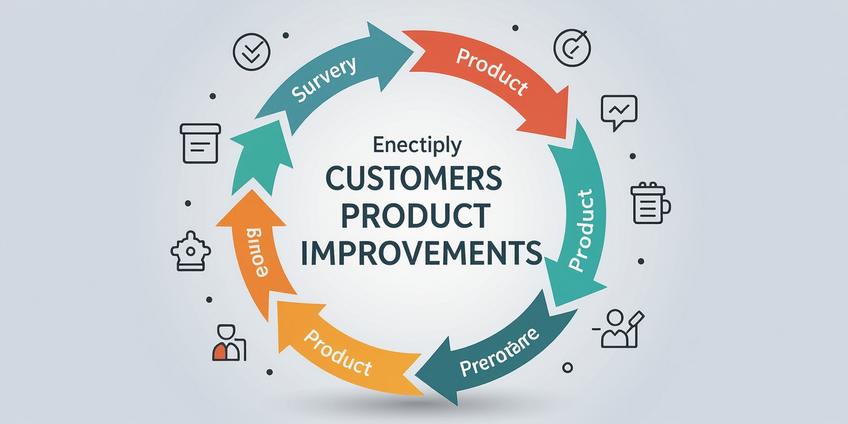
Key Points
- ✓ Set clear objectives and assign ownership to transform feedback into actionable changes.
- ✓ Gather input through multiple channels and centralize it for holistic analysis.
- ✓ Prioritize feedback using structured frameworks and close the loop by communicating changes.
Thank you!
Thank you for reaching out. Being part of your programs is very valuable to us. We'll reach out to you soon.
Establishing a System for Continuous Customer Input
A functional customer feedback loop is not a one-time project but a repeatable, operational system. It transforms scattered opinions into a strategic asset by ensuring you consistently gather input, analyze it, implement changes, and communicate those changes back. This process builds trust, drives product-market fit, and reduces churn by showing customers their voice directly influences your service.
1. Set Clear Objectives and Assign Ownership
Begin by defining what you want to achieve. Without specific goals, feedback collection becomes noisy and ineffective.
- Define Your Goals: Common objectives include reducing customer churn, improving specific metrics like Net Promoter Score (NPS) or Customer Satisfaction (CSAT), identifying usability pain points, or discovering opportunities for new features.
- Assign Clear Ownership: Designate a team or individual responsible for managing the loop. Often, this is a cross-functional effort led by Product, with key roles for Customer Experience (CX) and Support teams. Define how decisions will be made from the feedback received.
A feedback loop without an owner is like a suggestion box with no one checking it. Clarity on purpose and responsibility is the first step to action.
2. Gather Input Through Multiple Channels
Relying on a single source leaves you with blind spots. Systematically collect feedback at key moments in the customer journey.
- In-Product Surveys: Deploy short surveys (NPS, CSAT, Customer Effort Score) at logical moments, such as after a user completes a key workflow or uses a new feature.
- Post-Interaction Surveys: Send a CSAT survey immediately after a support chat or ticket resolution to gauge service quality.
- Transactional and Exit Emails: Use email surveys after purchases or major account actions. For churning customers, a well-crafted exit survey can reveal critical retention issues.
- Passive Listening Channels: Monitor app store reviews, social media mentions, community forums, and third-party review sites. These are often sources of unfiltered sentiment.
- Internal Team Notes: Equip your Sales and Customer Support teams with a simple system to log recurring themes and qualitative insights from their conversations.
3. Centralize and Organize All Feedback
Feedback trapped in silos—like separate support tickets, survey tools, and Slack channels—is impossible to analyze holistically.
- Use a Central Repository: Pipe all feedback into a single system. This could be a dedicated product feedback tool, your CRM, or a shared internal database.
- Tag and Categorize: Organize feedback with consistent tags. Common categories include:
- Theme: Bug, Feature Request, Usability, Pricing, Onboarding.
- Product Area: Dashboard, Checkout, Mobile App, API.
- Customer Segment: Enterprise, SMB, Free Tier.
- Perceived Impact: High, Medium, Low.
4. Analyze for Actionable Patterns and Insights
Move from raw data to understanding. Analysis should blend quantitative trends with qualitative depth.
- Review Quantitative Data: Track trends in your core metrics (NPS, CSAT). Identify which feature requests are most common and segment them by customer value (e.g., by plan or revenue).
- Conduct Qualitative Analysis: Read verbatim comments to understand the "why" behind scores. A low CSAT score might be due to a "confusing setup" rather than a "missing feature," requiring very different solutions.
- Scale Analysis with Technology: For large volumes of text feedback, use text analysis or AI clustering tools to automatically surface dominant topics and sentiment.
5. Prioritize What to Act On
You cannot act on everything. Use a structured framework to decide what changes will deliver the most value.
- Evaluate Against Key Criteria: Weigh each item based on:
- Customer Impact: How many customers are affected? How severe is the pain point?
- Strategic Alignment: Does this move the product toward your vision?
- Implementation Effort: What is the required development, design, or operational cost?
- Urgency: Is this causing active churn or significant reputational damage?
- Apply a Prioritization Framework: Use a method like the RICE score (Reach, Impact, Confidence, Effort) or a simple Impact/Effort matrix to create a clear, defensible backlog.
- Balance Quick Wins and Strategic Bets: Distinguish between small UX fixes that can be implemented rapidly and larger initiatives that require roadmap planning.
6. Implement Changes and Process Improvements
Acting on feedback often extends beyond the product roadmap to encompass the entire customer experience.
- Integrate into Planning: Feed prioritized items into your product roadmap and development sprint planning.
- Address Systemic Issues: Look beyond product fixes. Feedback may reveal needed improvements in documentation, onboarding flows, support scripts, or company policies.
- Reduce Recurring Problems: Proactively fix issues that generate high volumes of support tickets. This improves the customer experience and increases team efficiency.
7. Close the Loop with Customers
This step transforms a feedback process into a true customer feedback loop. It demonstrates you listened and creates a virtuous cycle of engagement.
- Respond Individually: Follow up directly with customers who took the time to report a specific bug or make a detailed suggestion. Use email, an in-app message, or a support ticket update.
- Communicate Broadly: Publicize changes inspired by customer input through release notes, changelogs, in-app announcements, and newsletters.
- Explicitly Connect Changes: Use language that credits customer input, such as "Based on your feedback, we've simplified the checkout process." This builds immense goodwill.
Telling customers what you changed because of their input is the most powerful step for building loyalty. It proves the feedback loop has no black hole.
8. Measure Impact and Refine the System
A loop should evolve. Regularly assess its performance and the impact of the changes you've made.
- Track Outcome Metrics: Measure the effect of your actions. Look at changes in NPS/CSAT, churn and retention rates, customer lifetime value (CLV), support ticket volume, and adoption rates of new or improved features.
- Audit the Loop Itself: Hold a monthly or quarterly review to ask:
- Which feedback sources led to the most valuable changes?
- Where are we slow to analyze or act?
- Are we collecting too much noise or missing input from key segments?
- Reduce Survey Fatigue: Adjust survey cadence and questions based on response rates and feedback quality. Avoid over-surveying the same customers.
9. Embed Feedback into Company Culture
For a customer feedback loop to be sustainable, it must become part of your operational rhythm, not an extra task.
- Share Insights Cross-Functionally: Regularly circulate top feedback themes and resulting actions with Product, Support, Sales, and Marketing teams to improve alignment.
- Celebrate Customer-Driven Wins: In team meetings, highlight when a customer suggestion led to a successful change. This reinforces the value of listening.
- Publicly Commit to Listening: Make it clear in your external communications that customer input genuinely shapes your roadmap. This builds market trust and encourages more high-quality feedback.
Checklist for Launching Your Feedback Loop
- ✓ Defined 1-2 primary goals for collecting feedback.
- ✓ Assigned an owner or cross-functional team for the process.
- ✓ Set up at least three feedback collection channels (e.g., in-app NPS, post-support survey, review monitoring).
- ✓ Established a central hub (tool or document) to consolidate all feedback.
- ✓ Created a tagging system for consistent categorization.
- ✓ Scheduled a recurring meeting to analyze feedback and prioritize actions.
- ✓ Defined a method for prioritizing input (e.g., RICE, Impact/Effort).
- ✓ Established a protocol for closing the loop with individual customers.
- ✓ Planned a channel for broadcasting changes made from feedback (e.g., changelog).
- ✓ Identified key metrics to track the impact of changes.
Frequently Asked Questions
A customer feedback loop is a systematic process for collecting, analyzing, acting on, and communicating back customer input. It's crucial for building trust, driving product-market fit, and reducing churn by showing customers their voice directly influences your service.
Use a mix of in-product surveys, post-interaction surveys, transactional emails, passive listening channels, and internal team notes. Deploy surveys at key moments in the customer journey to capture comprehensive insights.
Evaluate feedback based on customer impact, strategic alignment, implementation effort, and urgency. Use prioritization frameworks like RICE score or Impact/Effort matrix to create a clear, defensible backlog.
Respond individually to customers who provided specific input and communicate broadly through release notes, changelogs, and newsletters. Explicitly credit customer feedback to build goodwill and encourage future participation.
Monitor changes in NPS, CSAT, churn and retention rates, customer lifetime value, support ticket volume, and adoption rates of new features. Regularly audit the loop's performance to refine the system.
Adjust survey cadence and questions based on response rates and feedback quality. Avoid over-surveying the same customers and use targeted surveys at logical moments in the customer journey.
Share insights cross-functionally, celebrate customer-driven wins in team meetings, and publicly commit to listening in external communications. Make feedback analysis part of your operational rhythm.
Thank you!
Thank you for reaching out. Being part of your programs is very valuable to us. We'll reach out to you soon.