Crowdfunding: Kickstarter and Indiegogo Tips
Expert tips for successful crowdfunding on Kickstarter and Indiegogo. Learn platform selection, campaign preparation, and optimization strategies.
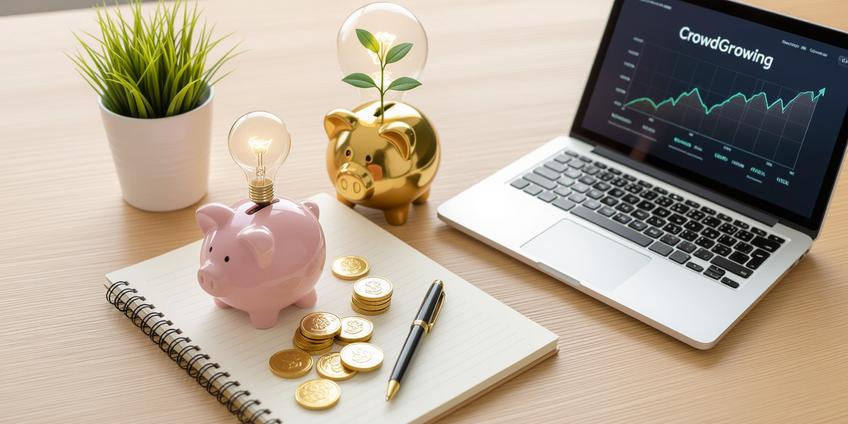
Key Points
- ✓ Choose between Kickstarter and Indiegogo based on product type, funding model, and target audience to maximize platform advantages.
- ✓ Validate demand and build email lists before launch, ensuring 20-40% of funding is soft-committed for strong initial momentum.
- ✓ Optimize campaign pages with compelling videos, clear reward tiers, and realistic logistics planning to build trust and avoid fulfillment pitfalls.
Thank you!
Thank you for reaching out. Being part of your programs is very valuable to us. We'll reach out to you soon.
Strategies for Successful Crowdfunding Campaigns
Launching a product through crowdfunding is a powerful method to validate demand, secure funding, and build a community. Success hinges on meticulous preparation and execution. Your choice between the two major platforms, along with your campaign strategy, will directly influence your outcome.
Selecting the Right Platform for Your Project
Your first critical decision is choosing between Kickstarter and Indiegogo. This choice should be based on your product category, funding needs, and operational preferences.
When to select Kickstarter:
- For higher success rates and organic discovery. The platform's overall success rate is approximately 42%, which is notably higher than Indiegogo's range of 18–30%.
- For creative, design, or artistic projects. The platform excels with categories like tabletop games, design products, art books, and innovative physical goods that fit its "project" ethos.
- When you can commit to an all-or-nothing funding model. You only receive funds if you meet your stated goal, which can build backer trust but requires careful goal setting.
- To access a large, engaged community of repeat backers who regularly browse the site for new projects.
When to select Indiegogo:
- For technology and hardware products. The platform has a strong reputation and audience for gadgets, tech accessories, and later-stage product launches.
- When you desire funding flexibility. You can choose Fixed Funding (all-or-nothing) or Flexible Funding (keep what you raise, minus fees).
- To utilize ongoing sales through InDemand. This feature allows you to continue accepting pre-orders after your main campaign ends, and you can even migrate a successful Kickstarter campaign to it.
- If you need e-commerce-like features, such as immediate payment authorization, support for multiple quantities in a single pledge, and gifting options.
- When you have a budget for paid promotion within the platform, such as GOGOPicks or homepage placements.
Choose based on your product, risk tolerance, and marketing plan, then optimize your campaign around each platform’s strengths.
Foundational Campaign Preparation
A successful launch is the result of work done months in advance. These steps are non-negotiable for both platforms.
Validate Demand Before Launch Treat your launch day as a product release, not the beginning of your marketing. Your goal is to create momentum from the first hour.
- Build a landing page to collect email signups.
- Run targeted lead-generation ads on social media to grow your list.
- Aim to have 20–40% of your funding goal "soft-committed" from this email list to ensure a strong launch day.
Craft a Compelling Campaign Page Your page must immediately communicate value and build trust.
- Video: Create a 1.5–3 minute video. Structure it to show the problem, your solution, proof of functionality, social validation, and a clear call-to-action.
- Page Flow: Organize information in this logical order:
- The headline value proposition.
- Benefits and real-world use cases.
- Features, specifications, and proof (demos, prototypes).
- Reward tiers and pricing.
- A clear timeline for production and fulfillment.
- An honest assessment of risks and your mitigation plans.
Design Effective Reward Tiers Simplicity drives conversions and simplifies future fulfillment.
- Create 1–2 "hero" reward tiers at attractive early-bird prices.
- Limit the total number of tiers to avoid confusing backers.
- For physical products, avoid rewards that require heavy customization, as they create logistical complexity.
Secure Operational Logistics Early Underestimating costs and timelines is a primary cause of campaign failure.
- Obtain detailed quotes from manufacturers and fulfillment partners before setting your funding goal and shipping prices.
- Calculate all costs: platform fees (8–10%), payment processing, manufacturing, shipping, packaging, duties, and a contingency buffer of 10–20%.
- Build a realistic, padded timeline and communicate it clearly. Backers appreciate honesty over optimism.
Platform-Specific Optimization Tactics
Once you've chosen your platform, tailor your approach to its unique ecosystem.
For Kickstarter Campaigns:
- Aim for Editorial Recognition: A "Projects We Love" badge from Kickstarter's team provides massive organic visibility. Achieve this with exceptional storytelling, polished visuals, and a clear creative vision.
- Drive a Powerful Launch: Since funding is all-or-nothing and backers are charged at the end, concentrate your pre-launch efforts to secure a high volume of pledges in the first 48 hours. This surge triggers the platform's algorithms and builds social proof.
- Plan for Payment Failures: When cards are charged at campaign end, a percentage will decline. Factor this into your goal and be prepared to promptly notify affected backers to update their payment information.
For Indiegogo Campaigns:
- Choose Your Funding Model Strategically: While Flexible Funding is an option, Fixed Funding often signals greater credibility and seriousness to backers, especially if you need the full goal amount to deliver.
- Integrate InDemand into Your Plan: From the start, plan your marketing funnel to continue driving traffic to your InDemand page after the main campaign closes. This is crucial for capturing long-term interest, especially for tech products.
- Utilize Paid Promotion Wisely: Consider platform marketing tools like GOGOPicks once your campaign has a proven conversion rate. Paid visibility is most effective when you already know your cost-per-acquisition.
- Account for the Funds Holdback: Indiegogo typically releases most funds 15 business days after your campaign ends but holds back approximately 5% for a period to cover potential refunds. Plan your cash flow accordingly.
Promotion and Communication Framework
Your work continues after you press "Launch."
Activate Pre-Planned Channels Execute on the promotional channels you identified during preparation:
- Your email list (your most valuable asset).
- Organic social media content (countdowns, demo clips, team updates).
- Outreach to relevant press, bloggers, and YouTube reviewers.
- Paid advertising directed specifically at your best-converting reward tier.
Maintain Consistent Communication Transparency builds trust and community.
- Post campaign updates at least every 1–2 weeks during and after the funding period.
- Share genuine progress: factory photos, component samples, and honest explanations for any delays.
- Monitor and respond to comments quickly and professionally, treating them as customer service inquiries.
Action Checklist for Launch
Use this list to ensure you have covered the essentials.
Pre-Launch (6-8 Weeks Out)
- ✓ Finalize prototype and create demonstration assets.
- ✓ Build a pre-launch landing page and begin email list collection.
- ✓ Secure manufacturing and fulfillment quotes.
- ✓ Draft all campaign page content, storyboard the video, and design reward graphics.
- ✓ Create a promotional calendar identifying all outreach targets and ad campaigns.
Launch Week
- ✓ Send a launch announcement to your email list at the exact moment the campaign goes live.
- ✓ Activate your pre-planned social media and advertising campaigns.
- ✓ Personally reach out to key press and influencer contacts.
- ✓ Be highly active in the campaign comments section.
Post-Campaign
- ✓ Send a thank-you update to all backers immediately after the campaign closes.
- ✓ Begin regular production updates, even if it's just to say "tooling is in progress."
- ✓ If using Indiegogo, transition smoothly to your InDemand page.
- ✓ Maintain open lines of communication throughout the fulfillment process.
Frequently Asked Questions
Kickstarter uses an all-or-nothing funding model and excels with creative projects, while Indiegogo offers flexible funding options and is stronger for tech products with its InDemand feature for ongoing sales.
Aim to have 20-40% of your funding goal soft-committed from your email list to ensure a strong launch day and trigger platform algorithms for increased visibility.
Create a 1.5-3 minute video that shows the problem, your solution, proof of functionality, social validation, and a clear call-to-action to drive conversions.
Include all costs: platform fees (8-10%), payment processing, manufacturing, shipping, packaging, duties, and a 10-20% contingency buffer before setting your goal to avoid shortfalls.
InDemand allows you to continue accepting pre-orders after your main campaign ends, which is crucial for capturing long-term interest and ongoing sales, especially for tech products.
Post updates every 1-2 weeks during and after funding, sharing genuine progress like factory photos and addressing any delays transparently to build trust.
Underestimating costs and timelines, overcomplicating reward tiers, and failing to plan for payment failures (especially on Kickstarter) are major pitfalls that can derail campaigns.
Thank you!
Thank you for reaching out. Being part of your programs is very valuable to us. We'll reach out to you soon.