Listening Tours: Executives on the Floor
Learn how executive listening tours build trust and gather frontline insights. Discover best practices for planning, executing, and following up on leadership walks.
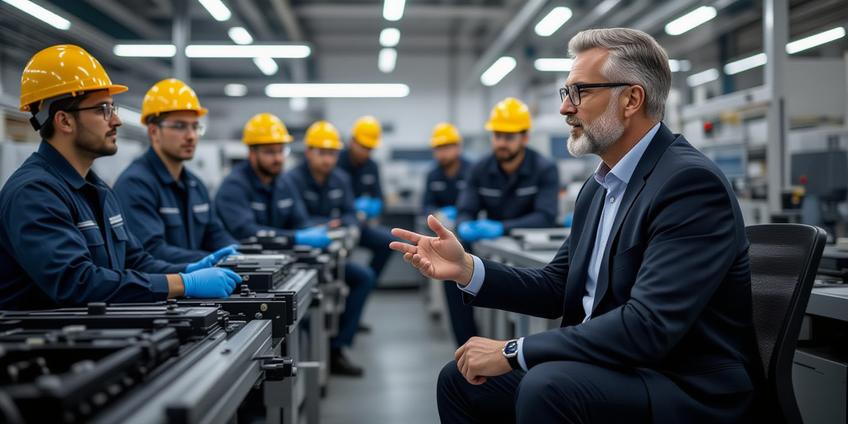
Key Points
- ✓ Define clear objectives and learning themes before visits to ensure focused, productive engagement with frontline teams.
- ✓ Conduct visits in actual work areas using open-ended questions to gather authentic feedback and demonstrate leader humility.
- ✓ Implement systematic follow-up by synthesizing themes, communicating actions, and resolving quick wins to build trust and credibility.
Thank you!
Thank you for reaching out. Being part of your programs is very valuable to us. We'll reach out to you soon.
Leadership Walks: Senior Leaders Engaging with Frontline Teams
A structured program where executives visit operational areas to listen is a powerful method for gathering unfiltered insight and building organizational trust. This practice, often called a listening tour, moves leadership out of the boardroom and into the daily reality of the workforce. Its core purpose is learning and connection, not inspection or presentation.
When designed effectively, these engagements provide a direct channel to the experiences, challenges, and innovative ideas of employees who interact most closely with your products, services, and customers. The goal is to position leadership as partners and enablers, fostering a culture where feedback flows upward without fear.
Defining Clear Objectives for Your Tour
Before scheduling any visits, crystallize your intent. A vague "meet and greet" will yield vague results. Define what you need to learn and what you hope to build.
- Learn How Work Actually Happens: Process maps and reports tell one story; watching a process unfold and asking "why" reveals another. Your aim is to understand the real workflow, not the theoretical one.
- Identify Friction Points and Successes: Discover what tools, policies, or communication gaps hinder performance. Equally, learn what is working exceptionally well from those who do it every day.
- Build Leader Credibility and Trust: For a new executive, this is indispensable. Visible curiosity and humility demonstrate that you value the team's expertise. It shows you are there to learn from them, not just to instruct.
A listening tour positions leadership as partners and enablers, not only decision-makers. The primary goal is learning and building trust rather than directing.
Checklist: Tour Objectives
- ✓ Draft a one-paragraph purpose statement for the tour.
- ✓ Identify 2-3 key learning themes (e.g., operational efficiency, safety culture, innovation barriers).
- ✓ Define what "success" looks like for both leaders and employees after the visit.
Planning and Executing the Visit
The logistics and conduct of the visit set the tone. It must feel authentic, not like a corporate audit.
Selecting Locations and Participants Go to where the core work is done. This could be a manufacturing plant, a retail store floor, a hospital ward, a distribution center loading dock, or a customer service hub. Include informal settings like break rooms or team lunches to lower hierarchical barriers and encourage candor.
Involve C-suite and senior leaders, but the emphasis must be on frontline employees and mid-level managers. They hold the most relevant operational knowledge. Consider arranging cross-functional stops—spanning operations, HR, logistics, and IT—to get a systemic view of challenges.
Conducting the Conversation Begin by explicitly stating the purpose: This is a listening exercise, not a performance review or complaint session. Your role is to ask, listen, and understand.
Use open-ended questions that invite detailed responses:
- “Walk me through what a typical day looks like for you.”
- “What’s working well here that we should protect or replicate elsewhere?”
- “What consumes time or creates frustration that prevents you from doing your best work?”
- “If you had a magic wand, what’s one change you’d make to your tools or our processes?”
Take notes diligently to show you value what is being said. Avoid arguing, defending company policy on the spot, or making promises for instant fixes. Your job is to absorb.
Checklist: During the Visit
- ✓ Leader explicitly states the listening purpose at the start.
- ✓ Conversation is held in the actual work area (Gemba).
- ✓ Leader asks open "what" and "how" questions.
- ✓ Leader practices active listening: takes notes, maintains eye contact, avoids interruptions.
- ✓ No debates or promises of immediate solutions are made.
The Critical Follow-Through: Closing the Loop
The most common failure of a listening tour is a lack of visible follow-up. If employees never hear what became of their input, trust erodes, and the exercise is seen as corporate theater.
Synthesize and Categorize Themes After the visits, consolidate the notes. Look for common patterns across different locations and teams. Frequent themes often involve:
- Tools & Technology: Outdated or inefficient software and equipment.
- Processes & Procedures: Redundant steps or conflicting priorities.
- Communication: Lack of clarity from leadership or between departments.
- Recognition: Feeling that extra effort goes unnoticed.
Communicate What You Heard and What You’ll Do This step is non-negotiable. Share a summary with the entire organization, especially the teams visited. The communication should have three clear parts:
- "Here’s what we heard." Acknowledge the key themes and specific praises raised.
- "Here’s what we’re changing now." Announce concrete, immediate actions or "quick wins."
- "Here’s what we’re studying further." Be transparent about more complex issues that require analysis, and name who is responsible for the review.
Implement Symbolic Quick Wins Identify a few impactful issues that can be resolved rapidly with minimal bureaucracy. For example, approving a replacement for a consistently broken piece of equipment, simplifying a burdensome approval form, or publicly recognizing a team's solution mentioned during the tour. This proves the process has tangible results.
Establishing a Sustainable Rhythm
A one-off tour has limited impact. To embed this into your culture, make it a consistent leadership behavior.
Cadence and Timing While especially powerful in a new leader’s first 90–180 days, it should not be confined to that period. Blend ongoing listening with early actions to maintain momentum. Schedule regular, quarterly visits to the floor by different members of the senior team.
Integrate into Operational Systems Tie the insights directly into existing business processes:
- Feed process improvement ideas into formal continuous improvement or Lean programs.
- Use cultural insights to inform leadership development and training curricula.
- Let customer-facing feedback directly shape product or service strategy discussions.
Foster Psychological Safety The entire system depends on employees believing there will be no retaliation for honest input. Leaders and local managers must repeatedly reinforce this message through words and, most importantly, through their reactions to feedback. Thank people for candor, even when the message is difficult to hear.
Checklist: Building a Sustainable Practice
- ✓ Schedule the next round of visits before the current tour ends.
- ✓ Assign an owner to track themes and action items in a visible system.
- ✓ Incorporate insights into strategic planning and operational review meetings.
- ✓ Train leaders on how to conduct effective listening sessions.
- ✓ Measure success via subsequent employee surveys and engagement metrics.
By treating the listening tour not as an event but as a foundational component of how leaders operate, you create a resilient feedback loop. It ensures that strategy is informed by ground truth and that every employee feels their expertise is valued in shaping the company's path forward.
Frequently Asked Questions
A listening tour is a structured program where senior leaders visit operational areas to gather unfiltered insights from frontline employees. It's crucial for building trust, understanding ground-level challenges, and informing strategy with real-world feedback, moving beyond boardroom perspectives.
Executives should draft a clear purpose statement, identify 2-3 key learning themes (like operational efficiency or innovation barriers), and define success metrics. Preparation ensures visits yield meaningful insights rather than vague impressions and sets the right tone for authentic engagement.
Leaders should use open-ended questions like 'Walk me through a typical day' or 'What creates frustration in your work?' These invite detailed responses and avoid yes/no answers, fostering deeper understanding of employee experiences and uncovering real workflow challenges.
Organizations must synthesize feedback into common themes, communicate what was heard to all teams, announce immediate actions for quick wins, and assign owners for complex issues. Visible follow-up prevents the tour from being seen as corporate theater and demonstrates commitment to employee input.
Common mistakes include making it feel like an audit, debating feedback on the spot, promising instant fixes, and failing to close the loop afterward. Leaders should focus on listening, not directing, and avoid defensive reactions to maintain an atmosphere of psychological safety.
While especially valuable in a new leader's first 90-180 days, listening tours should become a consistent practice with quarterly visits by different senior team members. This embeds feedback into organizational culture and ensures ongoing alignment between leadership strategy and frontline reality.
By consistently demonstrating that honest feedback leads to positive action without retaliation, listening tours build psychological safety. Leaders must thank employees for candor and visibly act on insights to reinforce trust, creating an environment where upward feedback flows freely.
Thank you!
Thank you for reaching out. Being part of your programs is very valuable to us. We'll reach out to you soon.