LMS Trends: The Netflix-ification of Learning
Learn how the Netflix-ification of learning transforms LMS with personalized, mobile-first experiences. Boost engagement.
Key Points
- ✓ Implement AI-driven personalization to create adaptive learning paths based on individual performance and interests.
- ✓ Build a mobile-first LMS with microlearning content libraries for on-demand, bite-sized learning.
- ✓ Integrate LMS with HRIS and skills frameworks to align learning recommendations with career progression and business goals.
Thank you!
Thank you for reaching out. Being part of your programs is very valuable to us. We'll reach out to you soon.
The Streaming Model for Modern Learning Platforms
The way people access and consume information has fundamentally shifted. They expect the same intuitive, personalized, and on-demand experience from their professional development tools as they get from their favorite entertainment services. This shift is driving a major evolution in Learning Management Systems (LMS), moving them away from static course repositories toward dynamic, adaptive platforms. The core of this LMS trend is creating a learning environment that feels familiar, engaging, and tailored to the individual.
Core Components of a Streaming-Style Learning Experience
To build a learning platform that mirrors the best consumer applications, you need to integrate several key functionalities. These elements work together to create a cohesive and compelling user journey.
AI-Driven Personalization and Smart Suggestions Modern platforms utilize artificial intelligence to analyze a learner's interactions, performance history, job role, and stated interests. This data fuels adaptive learning paths and generates "next lesson" recommendations, similar to a streaming service's "Because you watched..." feature. For instance, an employee who aces an introductory software module can be automatically advanced to intermediate content, while another who struggles receives supplemental practice exercises or micro-lessons for remediation. This automation extends to administrative tasks like grading and scheduling, freeing instructional designers to focus on creating high-quality content.
On-Demand and Mobile-First Accessibility Learning is no longer confined to a desktop computer during work hours. A modern LMS must be built with a mobile-first philosophy, ensuring a flawless experience on smartphones and tablets. This includes responsive design, offline access for learning without an internet connection, and push notifications to re-engage learners. The goal is to enable consumption in short bursts—during a commute or between meetings—mirroring how people watch short video clips or episodes.
Microlearning Content Libraries The foundation of on-demand learning is a rich catalog of bite-sized, modular content. Organizations are building libraries of lessons that can be completed in 5-10 minutes. These "learning snacks" can stand alone for quick skill reinforcement or be seamlessly combined into longer, structured pathways. This modularity is essential for supporting the flexible, just-in-time learning that modern work demands.
Building a library of microlearning assets is the first practical step toward enabling a Netflix-style learning experience. It provides the granular content needed for personalization.
Advanced Analytics for Content Curation Data is the engine of personalization. Modern LMS analytics go beyond simple completion rates to provide deep behavioral insights. Dashboards can show which content types are most engaging, where learners consistently pause or drop off, and what search terms are used most frequently. These insights feed recommendation algorithms and help L&D teams make informed decisions about curating and updating the content catalog, much like a streaming service uses viewership data to guide its programming.
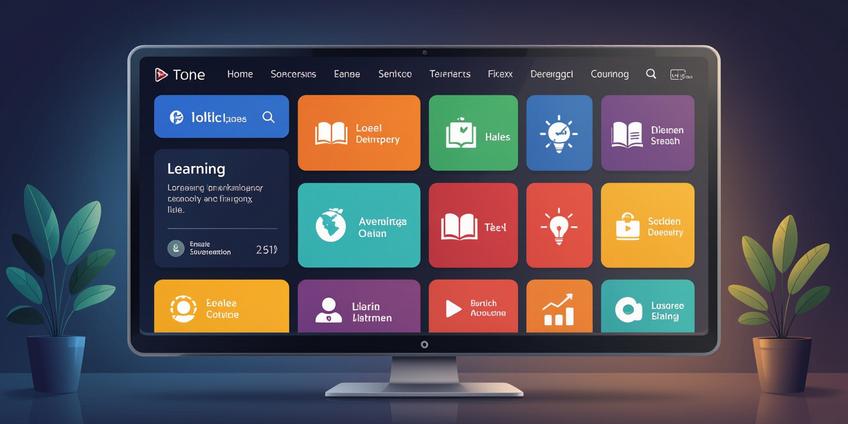
Consumer-Grade User Interface and Discovery A clunky, confusing interface will kill engagement. The new standard is an intuitive, visually appealing design modeled on popular apps. This includes features like personalized homepages with content tiles, category rows ("Trending Now," "Recommended for Your Role"), easy search functionality, and clear "Continue Learning" prompts. The experience should feel effortless, removing all friction from the process of finding and starting relevant learning.
Gamification and Social Learning Layers To boost motivation and mimic the engaging aspects of games and social media, platforms are integrating mechanics like points, badges, leaderboards, and interactive simulations. Furthermore, social learning features such as peer discussion forums, the ability to comment on or rate content, and options to share achievements turn a solitary activity into a community experience. This builds a culture of learning and shared knowledge.
Blended Learning Journeys Over Isolated Courses The model is shifting from one-off training events to continuous "learning seasons." These are blended pathways that mix self-paced digital microlearning with live virtual sessions, hands-on practice labs, and manager coaching. This approach creates a narrative arc for skill development, making learning an ongoing process rather than a discrete event.
Integration with Talent and Skills Systems For recommendations to be truly impactful, they must align with business goals. Leading LMS platforms integrate directly with Human Resource Information Systems (HRIS) and skills frameworks. This allows the platform to pull data on an individual's current role, performance reviews, and identified skill gaps. It can then recommend learning specifically tied to the skills needed for promotion or project success, creating a direct link between personal development and career progression.
Implementing a Streaming-Style Learning Strategy
Adopting this approach requires deliberate action across technology, content, and process. Here is a practical checklist to guide your implementation.
1. Select and Configure the Right Technology Platform Your foundation is critical. Prioritize these features during your LMS selection or upgrade process:
- AI and Machine Learning Capabilities: Ensure the platform can analyze user data to generate personalized recommendations and adaptive paths.
- Mobile-First Design: Test the learner experience on multiple mobile devices. Offline access is a key differentiator.
- Robust Analytics Suite: Look for dashboards that provide actionable insights into learner behavior, not just administrative reporting.
- Open Integration Framework: The LMS must be able to connect via API to your HRIS, performance management, and other critical business systems.
- Modern, Intuitive UX: Involve end-users in demos. If they find it difficult to navigate, keep looking.
2. Develop Your Content with Modularity in Mind Transform your content development strategy to support on-demand consumption.
- Audit Existing Content: Break down long courses (e.g., 60-minute e-learning modules) into a series of 5-10 minute micro-lessons. Each should focus on a single learning objective.
- Establish a Content Taxonomy: Tag all content assets with consistent metadata (e.g., skill, role, difficulty level, content type). This is essential for AI-driven search and recommendations.
- Build a Production Pipeline: Create a sustainable process for regularly adding new microlearning assets to your catalog—videos, interactive PDFs, podcasts, quick simulations.
3. Leverage Data to Continuously Optimize Set up a regular review cycle to act on the data your platform provides.
- Monthly Review: Analyze top-performing and underperforming content. Ask why. Update or retire low-engagement material.
- Monitor Search Logs: Identify what skills or topics learners are actively searching for that you may not have content to address.
- Test Recommendations: Manually check the "Recommended for You" suggestions for different user personas. Are they relevant? Refine the algorithm rules if possible.
4. Foster Engagement Through Design and Community Technology enables the experience, but human elements sustain it.
- Introduce Gamification Thoughtfully: Start with simple mechanics like completion badges or points for finishing a learning path. Align rewards with organizational values.
- Activate Social Features: Seed discussion forums with questions from instructors. Encourage learners to share completed certifications on internal social media.
- Promote "Learning Seasons": Market blended programs as limited-time series or challenges, with clear start and end dates, to create urgency and shared purpose.
5. Align Learning with Business Outcomes Ensure the personalized experience drives tangible results by closing the loop with talent management.
- Map Content to Skills: Explicitly link every learning asset to one or more skills in your company's competency framework.
- Automate Skill Gap Recommendations: Configure the system so that when a skill gap is identified in a performance review, relevant learning content is automatically suggested to the employee.
- Report on Impact: Use integrated data to show how learning consumption correlates with performance improvements, promotion rates, or project success.
Frequently Asked Questions
The Netflix-ification of learning refers to adapting streaming service principles—like personalized recommendations, on-demand access, and consumer-grade interfaces—to corporate learning platforms. It transforms LMS from static course repositories into dynamic, engaging environments that mirror how people consume entertainment. This approach increases learner engagement and knowledge retention.
AI analyzes learner interactions, performance history, job roles, and interests to generate adaptive learning paths and smart content recommendations. Similar to streaming 'Because you watched' features, it suggests next lessons, provides remedial content for struggling learners, and automates administrative tasks. This creates a tailored learning journey that improves efficiency and outcomes.
Mobile-first design ensures learning is accessible anytime, anywhere, mirroring how people consume content on smartphones and tablets. It supports offline access, push notifications, and responsive interfaces for learning during commutes or breaks. This flexibility increases engagement and accommodates the modern workforce's on-the-go lifestyle.
Break down existing courses into 5-10 minute modules focused on single learning objectives. Use diverse formats like short videos, interactive PDFs, and simulations, and tag content with consistent metadata for discoverability. Establish a production pipeline to regularly add new microlearning assets to your catalog.
Track engagement metrics like completion rates, time spent, and drop-off points, plus behavioral data such as search terms and content ratings. Use analytics dashboards to identify top-performing and underperforming content, then update or retire material accordingly. Regular monthly reviews help refine recommendations and content strategy.
Use APIs to connect your LMS with HRIS, performance management, and skills framework systems. This integration allows the LMS to pull data on roles, skill gaps, and career goals to provide relevant learning recommendations. Ensure your LMS has an open integration framework and map content to specific skills for alignment.
Key challenges include transforming existing content into modular microlearning assets, ensuring robust technology with AI and mobile capabilities, and fostering a culture of continuous learning. Success requires executive buy-in, a clear content taxonomy, and ongoing data analysis to optimize the learner experience.
Thank you!
Thank you for reaching out. Being part of your programs is very valuable to us. We'll reach out to you soon.