The Metaverse in HR: Virtual Offices and Training
Discover how metaverse HR transforms virtual offices and training. Implement immersive workspaces for remote collaboration and skills development. Start your pilot today.
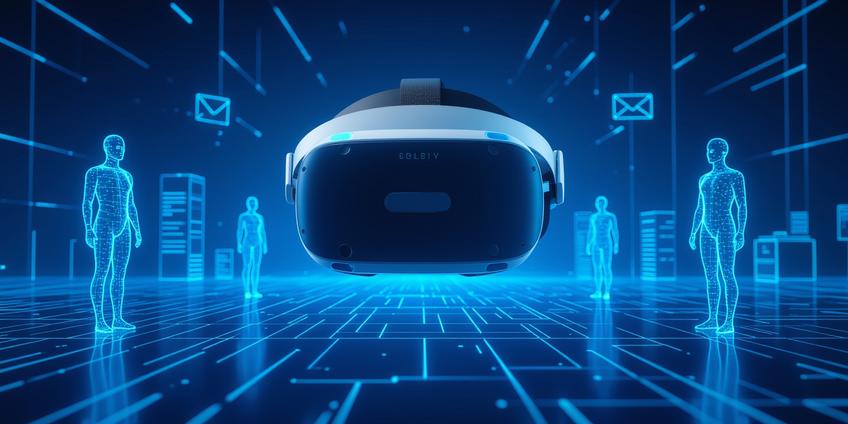
Key Points
- ✓ Implement virtual offices to enhance hybrid collaboration and combat remote work isolation through persistent 3D spaces with avatars and spatial audio.
- ✓ Use immersive VR training for high-stakes skills development, achieving higher retention and confidence through realistic simulations of soft and technical skills.
- ✓ Start with focused pilots like virtual onboarding or safety training, co-design with employees, and integrate with existing HR systems for scalable implementation.
Thank you!
Thank you for reaching out. Being part of your programs is very valuable to us. We'll reach out to you soon.
Integrating Immersive Digital Environments into Human Resources
The emergence of persistent, interactive 3D spaces is creating new frontiers for managing and developing people. For HR, this shift means moving beyond flat screens to dynamic digital environments where collaboration, learning, and culture-building happen through avatars and simulations. This represents a fundamental evolution in the new HR workspace, offering tools to address the core challenges of remote work, skills development, and global talent management.
Defining the Virtual HR Workspace
At its core, applying these technologies in HR involves two primary, interconnected applications:
- Virtual Offices and Campuses: These are persistent 3D environments where employees log in with personalized avatars. They serve as digital twins or enhanced extensions of the physical workplace, designed for daily meetings, project collaboration, and social interaction. They aim to create a stronger sense of shared presence than traditional video calls.
- Immersive Learning and Simulations: This involves using Virtual Reality (VR) and Augmented Reality (AR) to create realistic, interactive training modules. Employees don headsets to practice skills in safe, controlled digital replicas of real-world scenarios, from handling a difficult client conversation to operating complex machinery.
Early adopters report higher engagement in these virtual workplaces versus traditional remote tools, signaling a shift in how teams connect.
Implementing Virtual Offices for Daily Operations
The practical application of a virtual office moves beyond a novelty to address specific HR and operational needs.
Enhancing Hybrid and Remote Collaboration The primary use is to mitigate the fatigue and disconnection of standard video conferencing. Virtual meeting rooms and dedicated project spaces can mimic the nuance of in-person interaction—allowing for natural side conversations, spatial audio, and collaborative whiteboarding in a shared 3D space. This fosters a more authentic sense of teamwork for distributed teams.
Boosting Employee Experience and Engagement HR can proactively design spaces that nurture culture and wellbeing.
- Host virtual town halls in an immersive auditorium.
- Create casual social hubs or themed lounges for informal networking.
- Design dedicated wellbeing spaces for mindfulness or yoga sessions.
- Customize environments for specific interactions, such as creating a less intimidating virtual room for performance reviews.
Transforming Talent Attraction and Onboarding A virtual office becomes a powerful recruitment and onboarding tool.
- Offer virtual office tours that allow candidates to explore your company culture, meet leaders as avatars, and experience a simulated "day in the life."
- Conduct virtual recruitment fairs to engage with global talent pools efficiently.
- For new hires, especially remote ones, an immersive VR training onboarding program in a digital HQ can accelerate cultural assimilation and connection far more effectively than a stack of PDFs or a webinar.
Revolutionizing Training and Development with Immersion
This is where the metaverse delivers some of the most measurable HR benefits, by shifting learning from passive observation to active experience.
Onboarding in Virtual Campuses New hires can complete an interactive orientation by walking through a digital twin of the company, completing policy quizzes at interactive kiosks, and introducing themselves to avatar colleagues in a welcome lounge. This process builds connection and understanding faster than static, remote methods.
Skills Training Through Simulation This approach excels in high-stakes or high-cost training situations.
- Soft Skills: Practice customer service escalations, conflict resolution, or public speaking in front of a virtual audience with AI-driven feedback.
- Technical & Safety Skills: Industries like healthcare and manufacturing use VR to rehearse surgical procedures, equipment repairs, or emergency evacuation drills without real-world risk.
- The data supports the method: studies show VR learning often results in higher confidence, focus, and training effectiveness compared to classroom or e-learning, as it moves from telling to doing.
Next-Generation Assessment Virtual, always-on assessment centers can place candidates or employees into realistic job simulations. Their behavior and choices are analyzed, providing rich, objective data for hiring and promotion decisions while supporting diversity and inclusion by standardizing the evaluation environment.
Tangible Benefits for the HR Function
Adopting these tools strategically yields clear advantages:
- Superior Learning Outcomes: As noted, immersive VR training consistently shows higher retention rates, confidence, and practical application of skills.
- Cohesive Culture for Distributed Teams: Persistent virtual spaces facilitate the "watercooler moments" and informal interactions that build community, directly combating the isolation of remote work.
- Unmatched Scalability: Once developed, a virtual onboarding program or safety simulation can be deployed identically to a workforce of ten or ten thousand across the globe, eliminating travel and inconsistency.
- Actionable People Analytics: Behavioral data from simulations and interactions (e.g., collaboration patterns in a virtual project room) provides unprecedented insights for workforce planning and development.
Navigating Implementation Challenges
A practical approach requires acknowledging and planning for these hurdles:
- Substantial Investment: Costs include VR hardware, software platform licenses, custom 3D content development, and IT support.
- User Adoption and Comfort: Not all employees are eager to use headsets. Issues like motion sickness, technological anxiety, and accessibility for differently-abled staff must be addressed.
- Policy and Ethical Governance: HR must pioneer new policies for virtual conduct, data privacy, harassment in digital spaces, and the ethical use of behavioral analytics.
- Evolving Technology: The ecosystem is still maturing. Interoperability between platforms is limited, and long-term technology roadmaps can be unclear.
A Practical Action Plan for HR Leaders
1. Begin with Focused Pilots Do not attempt a full-scale rollout. Identify a high-impact, contained use case.
- Launch a virtual onboarding cohort for your next quarter's remote hires.
- Develop a single immersive VR training module for a critical skill, like new manager coaching or equipment safety.
- Host one major company event, like an annual kick-off, in a virtual venue.
2. Co-Design with Your Employees Involve a diverse group of end-users from the start. Have them test headset comfort, navigate virtual spaces, and provide feedback on the experience's usefulness. This ensures the solution solves real problems and is inclusive.
3. Integrate with Existing HR Systems For tracking and scalability, ensure your metaverse tools can connect with core systems.
- Sync virtual training completion data with your Learning Management System (LMS).
- Schedule virtual meetings through existing calendar platforms.
- Feed assessment analytics into your Human Resource Information System (HRIS).
4. Develop New HR Competencies Your team will need new skills beyond traditional HR.
- Virtual Experience Design: Understanding what makes a 3D space engaging and effective.
- Data Ethics: Managing the privacy and ethical implications of immersive analytics.
- Virtual Facilitation: Moderating and guiding group interactions effectively within a digital environment.
Checklist for Your First Pilot Program
- ✓ Identify a clear, high-value use case (e.g., onboarding Module 3, safety simulation for Plant A).
- ✓ Secure a cross-functional pilot team, including IT, L&D, and employee representatives.
- ✓ Define success metrics upfront (e.g., completion rates, confidence scores, time-to-proficiency).
- ✓ Select a technology partner and test hardware/software compatibility.
- ✓ Draft a preliminary code of conduct and data privacy notice for the virtual space.
- ✓ Run a small-scale test, collect detailed feedback, and iterate before broader launch.
To move from theory to action, the most critical step is to start small with a defined pilot. By targeting a specific pain point and involving users in the design, HR can build a compelling case for how these new HR workspace tools create tangible value for the organization and its people.
Frequently Asked Questions
A virtual HR workspace is a persistent 3D environment where employees interact via avatars for meetings, collaboration, and social activities, creating stronger presence than video calls.
Immersive VR training moves from passive observation to active experience, resulting in higher retention rates, confidence, and practical application of skills through realistic simulations.
Key benefits include superior learning outcomes, cohesive culture for distributed teams, unmatched scalability for global deployment, and actionable people analytics from behavioral data.
Challenges include substantial investment in hardware and development, user adoption and comfort with headsets, policy and ethical governance, and evolving technology interoperability.
Begin with focused pilots for high-impact use cases like virtual onboarding or safety training, co-design with employees, and integrate with existing LMS and HRIS systems.
HR teams need virtual experience design skills, data ethics knowledge for immersive analytics, and virtual facilitation abilities to moderate interactions in 3D environments.
Virtual offices offer immersive tours for candidates, simulate 'day in the life' experiences, and provide interactive onboarding that accelerates cultural assimilation for remote hires.
Thank you!
Thank you for reaching out. Being part of your programs is very valuable to us. We'll reach out to you soon.